
.svg)
What You Need to Know About Chemicals in Baby Feeding
If you’ve seen the recent headlines about chemicals in breast milk, you might be feeling that familiar wave of "parental panic." It’s totally understandable; we all want the best for our babies, and news like this can feel like just another thing to worry about.
So, let’s take a breath and break down what’s actually going on.
So, what did the study find?
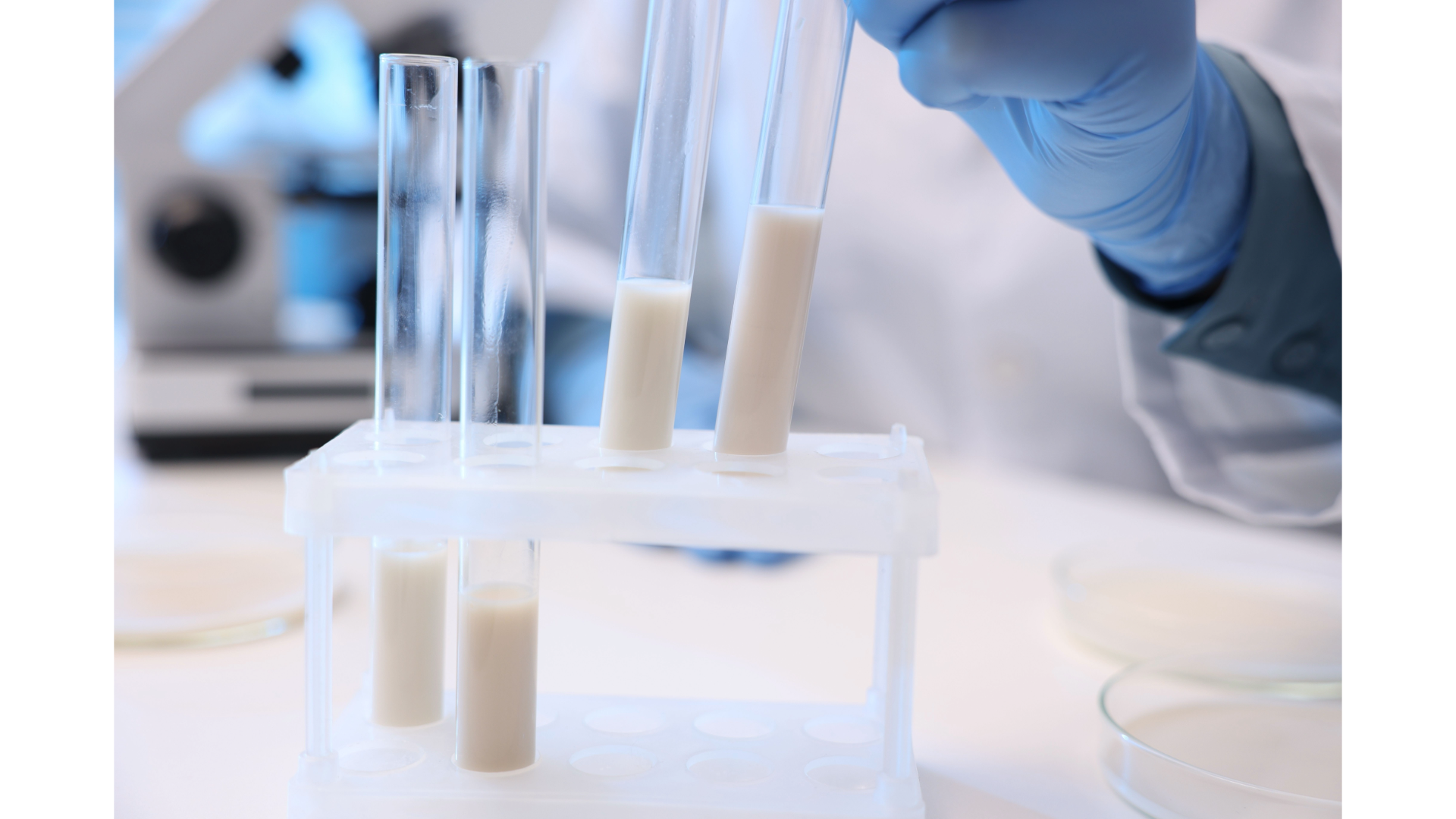
Researchers looked at breast milk samples from 50 women in the Seattle area and found traces of "endocrine-disrupting chemicals" (EDCs). Basically, these are common substances found in things like food packaging, plastics, and antibacterial soaps that can interfere with the body's hormones.
But here is the most important part: These chemicals are everywhere. They aren't just in breast milk. They show up in infant formula, food packaging, plastic bottles, and the plastic containers we use every day.
Why the alarm?
These chemicals can mess with the hormones that help babies grow and develop. It makes sense that we want to keep them away from our little ones. But remember, this is an environmental issue, not a feeding issue. Whether your baby is breastfed or formula-fed, the goal is the same: minimizing their exposure to these common environmental pollutants.
How can you help minimize exposure?
Focus on these small, manageable changes that can make a big difference over time:
- Wash hands regularly. Use regular soap instead of antibacterial soap whenever possible.
- Choose tap water over plastic bottled water. If you're concerned about your local tap water, a water filter is often a better long-term solution than relying on bottled water. If you are on a well, get your water tested.
- Switch to glass, ceramic, and stainless steel: Whenever possible, use these materials for storing and reheating food.
- Ditch the plastic microwave habit: Try to avoid heating milk or food directly in plastic containers.
- Keep it fresh: Opt for fresh or frozen foods rather than packaged items.
- Simple cleaning: Vacuum regularly to keep household dust down, and swap out old, scratched plastic bottles.
- Check your products: Look for fragrance-free or simpler options for personal care items.
The Bottom Line
Please don't let these headlines make you feel guilty about how you feed your baby.
The real conversation shouldn't be about breast milk vs. formula. It should be about demanding safer products and cleaner environments for everyone. We need stronger policies so that families don’t have to carry the burden of "avoiding chemicals" on their own.
Until then, just keep doing your best. That’s more than enough.